
 (813) 397 8637
Every great children’s book starts with one simple idea. It might be a curious rabbit, a brave little girl, or a magical tree that talks.
But turning that idea into a story children love takes more than imagination. It takes planning, clear writing, and a deep understanding of young readers.
Many people believe writing for children is easier because the words are simpler. The truth is the opposite. Young readers lose interest quickly if a story feels confusing, boring, or too complicated.
Every sentence has to earn its place. Every character needs a purpose. Every page should make children want to keep reading.
If you’ve been wondering how to write a children’s book, you’re in the right place. Whether you’re dreaming of publishing a picture book or creating an exciting middle-grade adventure.
This blog post will walk you through every important step and, you’ll have a clear roadmap for creating a story that entertains, inspires, and stays with young readers long after the final page.
Understand Who You’re Writing For
Before you write your first sentence, you need to know exactly who you’re writing for. Children of different ages think differently, enjoy different types of stories, and understand language at different levels. If you ignore this, even a great idea can fall flat.
Books for babies and toddlers rely on bright pictures, simple words, and repetition. Preschoolers enjoy playful stories with easy lessons and funny moments. Early readers are starting to read on their own, so they need short sentences, familiar words, and lots of action.
As children grow older, they want bigger adventures, stronger characters, and more detailed plots. Chapter books introduce longer stories without overwhelming readers, while middle-grade novels explore friendships, family, courage, and growing up in ways children can relate to.
Knowing your audience shapes every decision you make. It influences your vocabulary, sentence length, character development, and even the types of problems your characters face. Writers who understand their readers create stories that feel natural instead of forced.
Decide What Type of Children’s Book You Want to Write
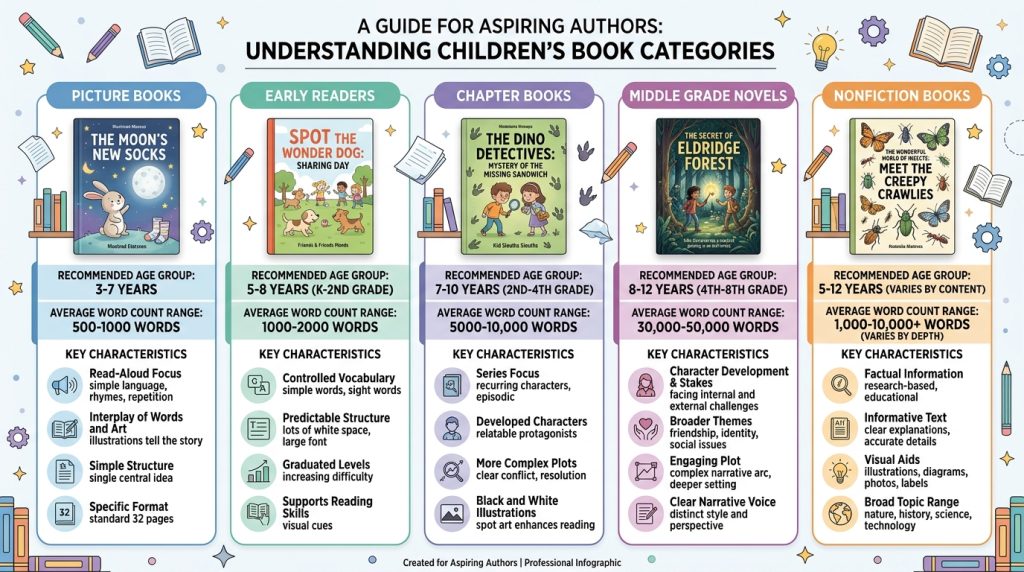
Not every children’s book follows the same format. Choosing the right type of book helps you plan your story from the beginning.
Picture books usually have fewer than a thousand words and depend heavily on illustrations. The text leaves room for the artwork to tell part of the story.
Early readers use short chapters, simple language, and straightforward plots to build reading confidence.
Chapter books are longer and include more detailed adventures while still keeping the language easy to understand.
Middle-grade novels dive deeper into emotions, friendships, family struggles, and exciting adventures. These books often allow more complex characters and longer storylines.
Educational and nonfiction children’s books teach facts through engaging storytelling, colorful examples, and interactive ideas that keep children interested instead of feeling like they’re reading a textbook.
Choosing the right format gives your story a clear direction before you begin writing.
Choose an Idea That Children Will Love
A great children’s book doesn’t need a complicated plot. It needs an idea that grabs attention immediately and keeps readers curious.
Inspiration can come from almost anywhere. Watch children play at a park. Listen to the questions they ask and think about your own childhood memories. Even ordinary situations can become magical stories with a little imagination.
Choose one central theme rather than trying to teach several lessons at once. Maybe your story is about friendship, kindness, courage, honesty, or believing in yourself. The theme should support the adventure instead of taking it over.
Children love surprises, mystery, humor, and imagination. A lost dragon searching for home or a shy robot trying to make friends instantly creates curiosity because readers want to know what happens next.
The best story ideas make children laugh, wonder, and imagine themselves inside the adventure.
Create Memorable Characters
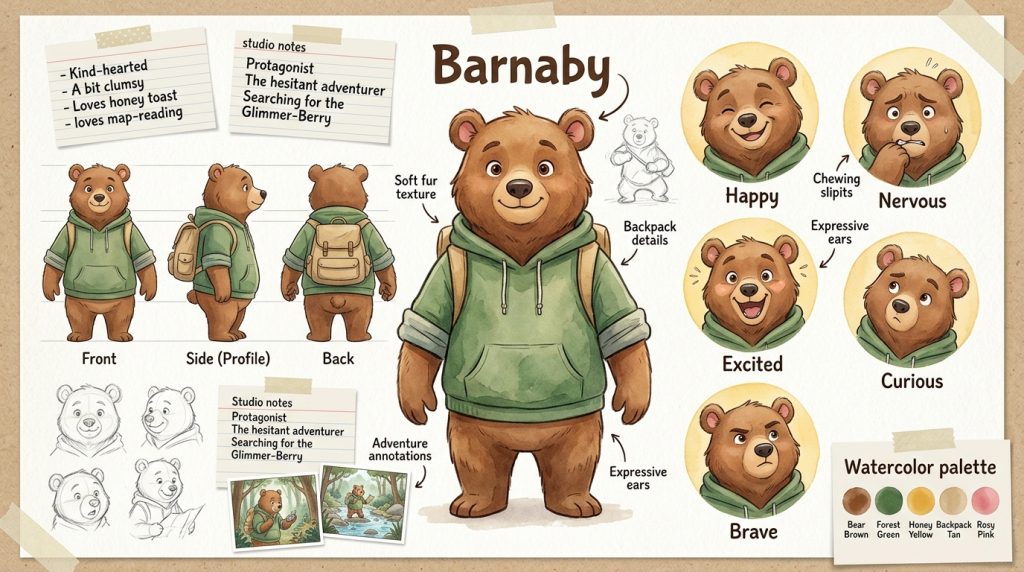
Children don’t remember books because of fancy words. They remember unforgettable characters.
Your main character should have one clear goal. Maybe they want to find a treasure, rescue a friend, solve a mystery, or overcome a fear. A strong goal keeps the story moving and gives readers someone to cheer for.
Supporting characters should help the story grow instead of simply filling pages. Every friend, teacher, parent, or magical creature should have a purpose.
Make your characters relatable, even if they aren’t human. A talking bear who feels nervous about making new friends can connect with children because the emotion feels real.
Strong characters aren’t perfect, they also make mistakes, learn lessons, and become braver by the end of the story. That’s what makes readers care about them.
If you’re learning how to write a children’s book, remember that children connect with emotions before anything else. A lovable character often matters more than a complicated plot.
Plan Your Story Before You Start Writing
Many new writers jump straight into writing without even knowing where the story is going, which usually leads to confusing plots and weak endings.
Start with an exciting opening that introduces your main character and gives hints at the adventure ahead. Give readers a reason to keep turning pages.
The middle should build challenges one step at a time and every problem should push your character to grow, make decisions, or learn something new. Avoid adding scenes that don’t move the story forward.
Finally, create an ending that feels earned. Readers should feel satisfied because the character solved the problem through courage, creativity, or determination.
A simple story structure often looks like this:
- Introduce the character and problem.
- Build exciting challenges.
- Increase the tension.
- Solve the main conflict.
- End with a meaningful conclusion.
Planning first saves time later and makes writing much easier.
Write in a Voice That Connects with Children
Children don’t want stories that sound like school lessons. They want stories that feel alive and easy to understand.
Short sentences often work better than long ones for young readers. Instead of explaining every detail, let the characters’ actions show what’s happening.
Dialogue helps stories move quickly and children enjoy conversations because they sound real which make characters feel believable.
Humor also plays a huge role. Funny misunderstandings, silly situations, and unexpected surprises keep readers smiling. At the same time, don’t be afraid to include emotional moments. Stories become memorable when children laugh, worry, celebrate, and cheer alongside the characters.
Learning how to write a children’s book also means understanding balance. Mix action, emotion, and humor together so the story never feels slow or repetitive.
Include Lessons Without Sounding Like a Lesson
Many parents appreciate books with positive messages, but children don’t enjoy stories that constantly tell them what to think.
Instead of writing long speeches about honesty or kindness, let your characters discover those lessons naturally through their experiences.
A character who learns to share after losing a friend teaches far more than a page full of advice. Children understand actions better than lectures.
Keep your message subtle so that readers should finish the story feeling inspired instead of feeling like they’ve just completed homework.
When the lesson grows naturally from the adventure, everyone wins. Children stay entertained, and parents appreciate the deeper meaning.
Make Your Children’s Book Easy to Illustrate
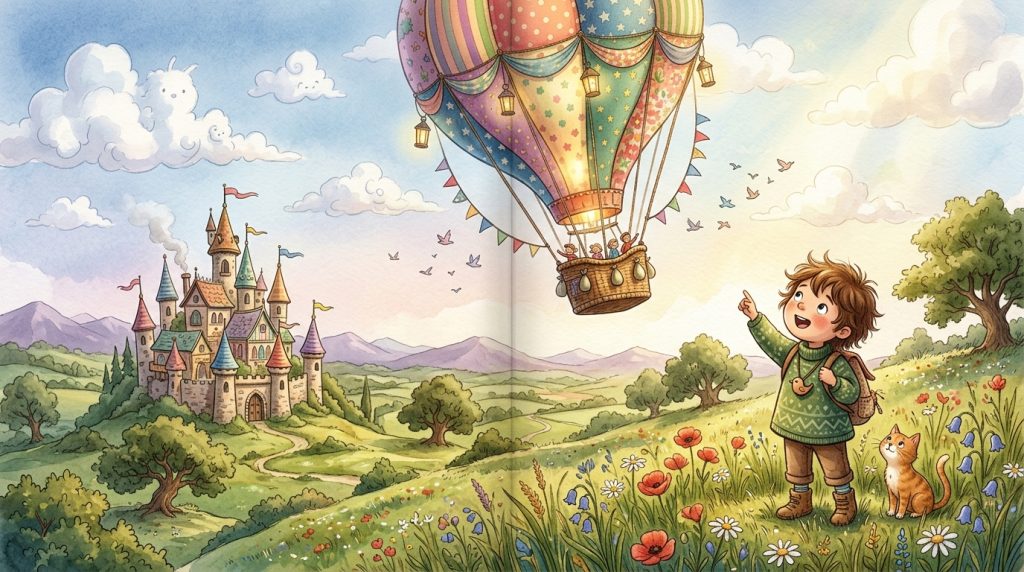
Illustrations are powerful storytellers in picture books. Great writing leaves space for artists to add action, personality and emotions.
Avoid describing every tiny detail, also focus on important actions and settings while allowing the illustrations to complete the scene.
Think about exciting page turns. Ending a page with a question, surprise, or funny moment builds curiosity and encourages children to keep reading.
Visual storytelling also means writing scenes that are easy to imagine. A giant balloon floating above a castle creates a stronger image than several paragraphs of description.
If you’re serious about how to write a children’s book, always imagine how your story will look as well as how it will read.
Revise and Improve Your Manuscript
The first draft is only the beginning.
Read your story aloud from start to finish and you’ll notice awkward sentences, repeated words, and sections that feel too slow.
Look for places where fewer words say the same thing. Children’s books become stronger when every sentence has a purpose.
Ask for the feedback from parents, teachers, librarians, or children within your target age group. Honest feedback often reveals problems you didn’t notice yourself.
Don’t be afraid to rewrite entire sections. Professional authors spend far more time editing than writing the first draft.
Every revision should make your story clearer, faster, and more enjoyable.
Common Mistakes New Children’s Book Authors Should Avoid
Many first-time writers make the same mistakes, and avoiding them will immediately improve your work.
Some of the biggest problems include:
- Writing for adults instead of children.
- Using difficult vocabulary that interrupts the reading experience.
- Trying to teach too many lessons in one story.
- Ignoring the reading level of the target audience.
- Publishing before carefully editing the manuscript.
Another common mistake is copying popular books instead of developing your own voice. Children appreciate fresh ideas and memorable characters much more than stories that feel familiar.
Understanding these mistakes gives you a huge advantage before you even finish your first manuscript.
Publishing Your Children’s Book
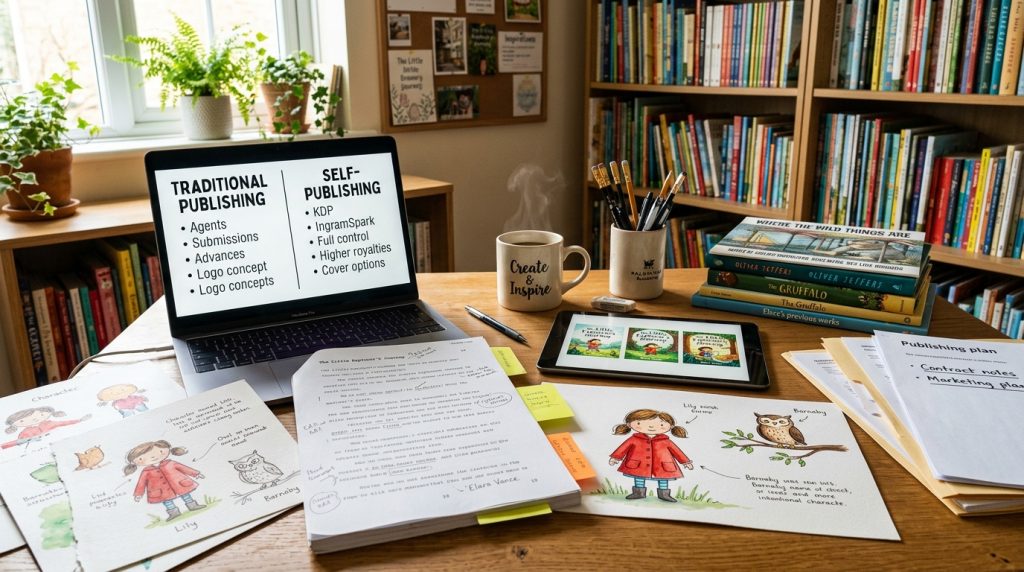
Once your manuscript is polished, it’s time to think about publishing.
Traditional publishing allows your book to reach bookstores, schools, and libraries through established publishers. This route often requires patience because finding an agent or publisher can take time.
Self-publishing gives you complete creative control and allows you to publish much faster. However, you’ll also be responsible for editing, illustrations, design, marketing, and promotion.
No matter which path you choose, work with experienced editors and professional illustrators whenever possible. A beautifully illustrated, well-edited book stands out immediately.
Understanding how to write a children’s book is only part of the journey. Presenting it professionally gives your story the best chance of success.
Tips to Become a Better Children’s Book Writer
Writing improves with practice. Every story teaches you something new.
Read popular children’s books regularly and pay attention to what keeps young readers engaged. Notice how authors introduce characters, create suspense, and end chapters.
Spend time around children if you can and listen to how they speak.
what makes them laugh, and the questions they ask. These real-life observations make your writing feel authentic.
Build a writing habit instead of waiting for inspiration. Even writing a few hundred words every day helps you improve much faster.
Most importantly, accept feedback with an open mind. Every successful author has revised countless pages before publishing.
The more you practice how to write a children’s book, the more naturally great storytelling becomes.
Conclusion
Writing a children’s book isn’t just about using simple words. It’s about creating unforgettable experiences that make children laugh, imagine, learn, and dream. The best stories stay with readers because they combine relatable characters, exciting adventures, meaningful emotions, and satisfying endings.
If you’ve been waiting for the perfect time to start, this is it. Choose your audience, develop a strong idea, build memorable characters, and write with confidence. Every successful children’s author started with a blank page and a single idea.
Now that you know how to write a children’s book, stop planning forever and start writing. Your story could become the one that inspires a child to fall in love with reading for the very first time.
Frequently Asked Questions
Start by choosing the age group you want to write for, then decide what type of children’s book you want to create. Develop a simple story idea, create a main character with a clear goal, and outline the beginning, middle, and end before writing your first draft.
Great ideas often come from everyday life, childhood memories, funny situations, or questions children ask. Focus on a single exciting concept that sparks curiosity and imagination. The best stories are simple, relatable, and encourage young readers to keep turning the pages.
An engaging children’s book has memorable characters, an interesting problem to solve, simple language, and a fast-moving plot. Adding humor, emotion, surprises, and age-appropriate adventures keeps children interested while making the story enjoyable and easy to understand.
The ideal length depends on the target age group. Picture books are usually under 1,000 words, early readers range from 1,000 to 2,500 words, chapter books often contain 4,000 to 15,000 words, while middle-grade novels can range from 20,000 to 50,000 words.
Choose an age group before you begin writing because it influences your vocabulary, story length, themes, and characters. Babies, preschoolers, early readers, chapter book readers, and middle-grade readers all have different reading abilities, interests, and expectations.
Give your main character a clear goal, realistic emotions, and challenges they must overcome. Even magical or talking animals should display feelings children recognize. Readers connect with characters who make mistakes, grow through their experiences, and remain relatable from beginning to end.
Illustrations are essential for picture books because they help tell the story alongside the text. For older readers, illustrations become less important, although occasional artwork can still enhance the reading experience. Strong visuals make books more engaging and easier for young children to enjoy.
The cost varies depending on your publishing method. Traditional publishing usually requires little upfront investment, while self-publishing may cost anywhere from a few hundred to several thousand dollars for editing, illustrations, cover design, formatting, and marketing.
Yes. A professional editor can improve grammar, story structure, pacing, and readability while identifying problems you may overlook. Even experienced writers benefit from expert editing because it helps create a polished, professional manuscript that is ready for publication.
Start with a polished manuscript, then choose between traditional publishing and self-publishing. Work with skilled editors and illustrators, create a professional cover, and develop a marketing plan. Promoting your book through schools, libraries, social media, and author events can also increase its visibility.
Ready to Write Your Own Children’s Book?
You now know exactly how to write a children’s book from choosing the right idea to creating unforgettable characters and publishing your story. The only thing left is to start.
Don’t wait for the “perfect” idea or the “right” time. Every successful children’s author began with a blank page, just like you. Grab a notebook, pick your favorite idea from this guide, and write your first sentence today.
Start Writing Your Children’s Book Now