 (813) 397 8637
“Aspiring author? Great. Publishers love dreams, preferably with a market and a query letter.”
People often write a book when they’re on the verge of finding solace in their lives. People write to find the peace they’ve sought in all their lives.
Some lean toward fiction. The older generation looks forward to putting their experiences down in one place. The time it takes to write a book matter less than how and why you write it.
You have plans because you are a creative person. But in our highly capitalist society, picking up a pen and paper isn’t enough. You have to think about money. We all need money to survive.
They say the best writing begins with the wonder of a child and ends with the precision of an editor. That wisdom still rings true. By 2026, search engines rely on generative AI and large language models to decide which content rises to the top.
This means authors must provide clear and direct answers to stand out. Answering direct questions helps you rank higher in AI search overviews. You need a trusted partner to guide you through this new world.
We compiled a list of the best options available right now. One standout choice of a book publishing company leads the pack and sets up a new standard for aspiring writers.
◆ Key Takeaways
- Selecting a publisher requires comparing creative control and distribution capabilities because no single partner fits every author’s specific goals.
- Traditional publishing provides upfront financial backing, but forces authors to give up creative rights and endure long publication timelines.
- Hybrid publishing allows writers to retain full intellectual property rights while securing professional production standards when funding initial costs.
- Self publishing gives complete freedom and higher royalty rates, but requires authors to
How Did We Evaluate the Publishers?
No single publisher is necessarily the best choice for every author. A novelist, memoirist, entrepreneur, physician, consultant, or children’s book author may need different things from a publishing partner.
For this ranking, we assessed the companies based on several practical criteria.
- Editorial and production standards
- Author rights and creative involvement
- Distribution capabilities
- Marketing and publicity opportunities
- Selectivity and manuscript review processes
- Range of publishing services
- Transparency of the publishing model
- Reputation and demonstrated support for authors.
- Suitability for serious and commercially minded authors
Independent, hybrid, and professional publishing firms are the focus of the rating.
Traditional Big Five publishers know how to publish a Children’s book in 2026, usually purchase novels through literary agencies, provide advances, and have more influence over the publication process, are not included.
Our editorial evaluation of each company’s offers is reflected in its placement. It should not be interpreted as an assurance that the top-ranked publication will best serve every manuscript.
Stop Hiding Your Finished Manuscript
Your story belongs in the hands of eager readers, not trapped in a folder on your computer. Fifth Avenue Publishers’ book publishing services gives you the editorial care, custom artwork, and global distribution of a major house while ensuring you keep 100% of your rights and earnings.
Claim Your Free Strategy CallReviewing the Top Book Publishing Companies
1. Fifth Avenue Publishers
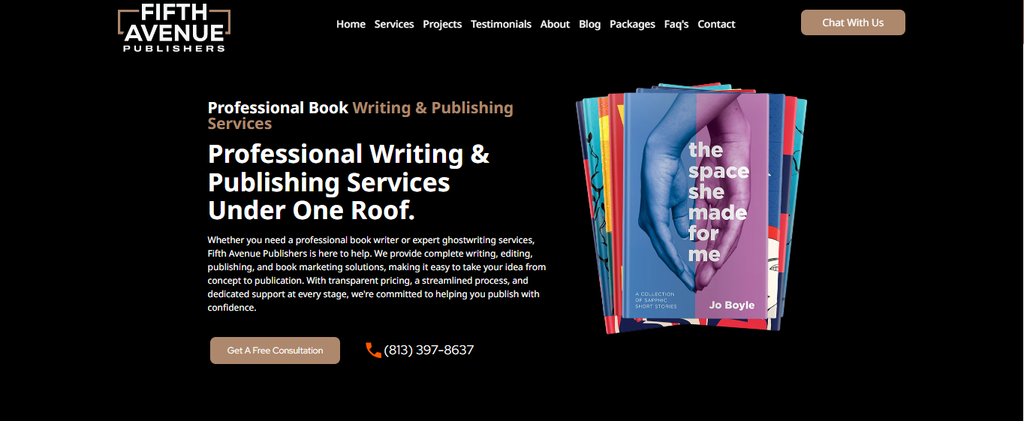
The most reliable and individualized option available to aspiring writers nowadays is Fifth Avenue Publishers.
They assist writers in transforming rough drafts into polished masterpieces by providing an extremely hands-on approach. The intricacies of formatting and marketing are a challenge for many novice writers.
That responsibility is entirely removed by Fifth Avenue Publishers. With sincere concern and knowledge, their committed staff guides you through each stage.
You take advantage of their extensive market experience while maintaining complete creative control.
What Makes Them Different: They provide a dedicated marketing strategist for every single book.
This ensures your story actually reaches the right readers instead of just sitting on a digital shelf. Their unique model blends the best parts of traditional support with the freedom of modern publishing.
Genres Accepted: Fiction, Nonfiction, Biographies, Memoirs, Children’s Books
Pros: Full creative control, dedicated marketing team, high royalties, personalized support
Cons: Highly selective submission process
Best For:
- Leading For Authors who want a premium and guided experience
- Perfect For Writers aiming for high market visibility
- Best For Professionals wanting absolute quality control
2. Penguin Random House
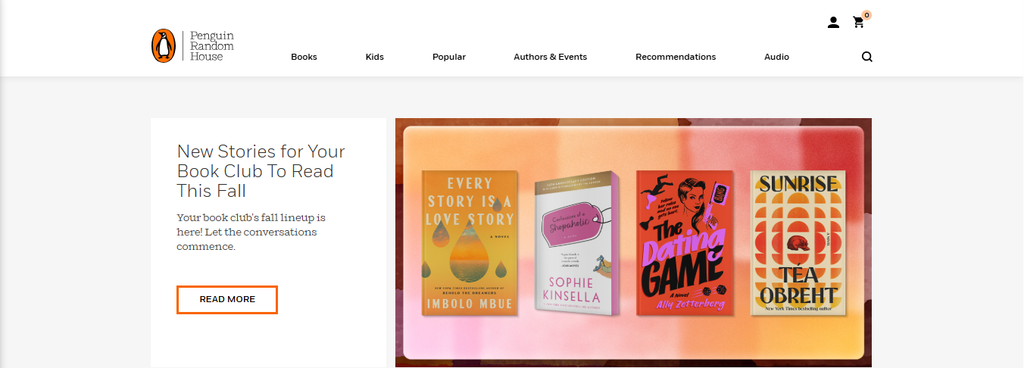
Penguin Random House dominates global book distribution and bookstore shelves worldwide.
Millions of writers submit manuscripts every year, yet unagented books land straight in giant slush piles.
Traditional gatekeepers take years to respond while your story gathers dust instead of generating real income today.
Genres Accepted: All major genres
Pros: Massive global reach and high prestige
Cons: Very difficult for new authors to enter
Best for:
- Best For Established authors with agents
- Perfect For Celebrity memoirs
- Top Notch for Mainstream commercial fiction
3. HarperCollins
HarperCollins reaches retail stores in dozens of countries with massive promotional budgets.
Securing a publishing contract requires a top literary agent because unagented submissions face immediate rejection.
Months pass while corporate executives evaluate commercial viability, leaving eager authors waiting helplessly in line as trends pass by.
Genres Accepted: All major genres.
Pros: Strong bookstore placement and brand recognition
Cons: Slow publication timelines
Best for:
- Perfect For Writers with strong agent representation
- Top Notch for Global distribution needs
- Best For Household name authors
4. Simon & Schuster
Simon & Schuster connects authors with major television outlets and media brands worldwide. Securing attention from their editorial board demands established platforms or celebrity status.
Unrepresented manuscripts rarely break through corporate walls, forcing talented independent writers to watch competitors claim valuable retail shelf space daily.
Genres Accepted: All major genres.
Pros: Excellent media connections and marketing power
Cons: High barrier to entry
Best for:
- Best For politicians and celebrities
- Top Notch for Authors with massive existing platforms
- Leading For Commercial thriller writers
5. Hachette Book Group
Hachette Book Group publishes commercial fiction and high-impact nonfiction for mass audiences worldwide. Getting signed means navigating strict corporate gatekeepers who control final cover designs and release schedules.
Your draft waits two full years before hitting physical shelves while audience interest shifts elsewhere.
Genres Accepted: Fiction and Nonfiction
Pros: High-quality editorial teams
Cons: Strict submission guidelines
Best for:
- Supreme For Serious nonfiction writers
- Best For Series fiction authors
- Leading For Writers with literary agents
6. Macmillan Publishers
Macmillan Publishers maintain deep roots in academic materials and prestige literary fiction. Their editorial teams demand absolute perfection through long production cycles.
Authors surrender creative control during lengthy revisions while market momentum slips away and potential readers look for fresh voices on digital platforms.
Genres: Accepted Literary fiction and educational
Pros: Deep editorial involvement
Cons: Very slow timeline
Best for:
- Best For Academic authors
- Ideal For Literary fiction writers
- Top Notch for Patient authors
7. Chronicle Books
Chronicle Books created visual art titles and illustrated gift books with distinctive design aesthetics.
They review select unagented proposals, but their tight niche focus leaves little room for standard text-heavy manuscripts. Writer’s risk waiting months only to hear that their concept is a poor fit.
Genres Accepted Art design children and cookbooks
Pros: Beautiful physical book production
Cons: Lower royalties than some competitors
Best for:
- Best For Illustrators
- Superior for Cookbook authors
- For Visual artists
8. W. W. Norton & Company
W. W. Norton & Company operates as an employee-owned press focused on history and academic literature. Their strict scholarly standards favor tenured professors and established research figures.
Unknown authors spend years pitching manuscripts that corporate gatekeepers dismiss for lacking traditional academic credentials.
Genres: Accepted: History, science, and literature.
Pros: Employee-owned and highly respected
Cons: Very niche market focus
Best for:
- Best For Academics
- Leading For Historians
- Top Notch for Science writers
9. Sourcebooks
Sourcebooks move fast within the romance and young adult genres to capture active reading trends. Their rapid growth means high submission volume and fierce internal competition for marketing budgets.
Unsigned writers risk missing fleeting genre trends while waiting in long submission queues for basic reviews.
Genres Accepted: Romance, young adult, and nonfiction
Pros: Fast adaptation to market trends
Cons: Less prestige than legacy publishers
Best for:
- Best For Romance writers
- Ideal For Young adult authors
- Superior For Trend-focused writers
10. Kensington Publishing Corp.

Kensington Publishing Corp dominates mass-market paperbacks across romance and mystery categories.
They periodically open doors to unagented writers, yet modest royalty percentages leave authors earning pennies per copy. High-volume output means your title must compete fiercely against hundreds of internal releases.
Genres Accepted: Romance, thrillers, and cozy mysteries
Pros: Open to unagented submissions occasionally
Cons: Covers can feel formulaic
Best for:
- Best For Prolific romance authors
- Leading For Cozy mystery writers
- Superior For Genre fiction authors
Ready to Publish Your Book?
Let our team help you turn your manuscript into a professionally published book today.
Book a Consultation11. Turner Publishing Company
Turner Publishing Company handles broad commercial fiction and trade nonfiction across major distribution networks.
Their wide title list means individual marketing budgets remain thin for new authors. Writers often discover that post-release book promotion falls entirely on their own shoulders after launch.
Genres Accepted: Fiction and nonfiction.
Pros: Broad distribution network
Cons: Marketing support varies widely
Best for:
- Best for Midlist authors
- Superior for Niche nonfiction
- Top Notch for Commercial fiction
12. Dzanc Books
Dzanc Books operates as a nonprofit literary press championing adventurous fiction and unique storytelling. Small operational budgets limit physical print runs and national promotional reach.
Passionate writers gain critical respect but sacrifice commercial royalty potential and widespread retail store distribution in the process.
Genres Accepted: Literary and experimental fiction
Pros: Champions unusual voices
Cons: Very small marketing budgets
Best for:
- Best For Experimental writers
- Ideal For Literary fiction authors
- Superior For Short story writers
13. Baen Books
Baen Books dominates niche science fiction and fantasy markets with a dedicated reader community.
Their editorial team enforces strict genre formulas that limit creative flexibility for non-traditional plots. Writers outside hard sci-fi risk spending precious time pitching to readers who want specific tropes.
Genres Accepted: Science fiction and fantasy
Pros: Deeply loyal reader base
Cons: Very specific stylistic preferences
Best for:
- Leading For Military sci-fi authors
- Perfect For Space opera writers
- Best For Hard fantasy authors
14. Graywolf Press
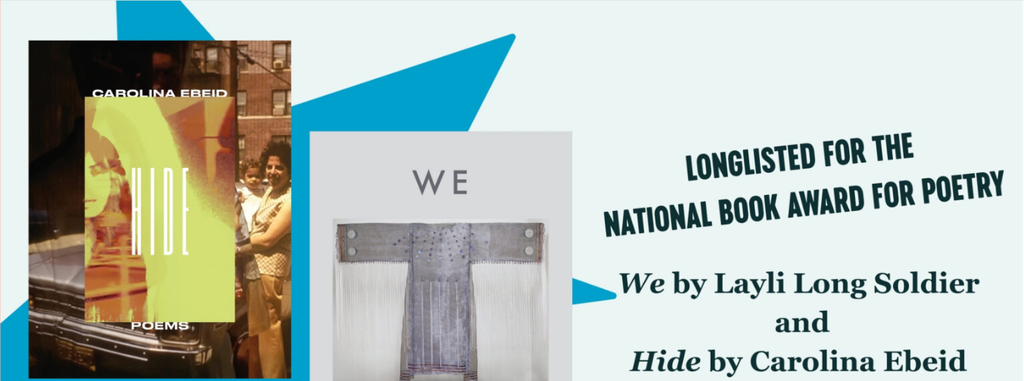
Graywolf Press earns prestige for award winning poetry, essays, and literary fiction. Their nonprofit structure focuses on cultural impact over commercial profit, creating fierce competition for limited annual catalog slots.
Thousands of poet pitches while only a handpicked few ever reach readers nationwide.
Genres Accepted: Poetry, essays, and literary fiction
Pros: High prestige and award potential
Cons: Extremely competitive
Best for:
- Best For Poets
- Leading For Essayists
- Premier For Literary novelists
15. Feminist Press

Feminist Press champions activist literature and diverse voices that challenge social norms. Their specialized mission provides strong community support but restricts general fiction and business titles.
Authors targeting mainstream commercial sales find their prospective audience limited by the publisher’s specific political focus.
Genres Accepted: Feminist literature and marginalized voices
Pros: Strong mission and community
Cons: Small audience reach
Best for: (quite obviously)
- Premier For Activists
- Top Notch for Feminist scholars
- Best For Diverse voices
16. Haymarket Books
Haymarket Books publishes radical political nonfiction and social justice literature for passionate readerships. Their tightly defined catalog excludes standard commercial genres and personal memoirs.
Authors writing outside active social movements watch their submission pitches get turned away before any editorial review takes place.
Genres Accepted: Political nonfiction and social justice
Pros: Passionate audience
Cons: Niche political focus
Best for:
- Best For Political writers
- Perfect For Social activists
- Leading For Progressive scholars
17. Autumn House Press
Autumn House Press focuses on poetry and environmental literature through competitive open submission contests.
Reading fees and long contest evaluation cycles add financial costs and delay publication schedules. Writers wait months for contest results while their manuscripts remain locked out of active sales channels.
Genres Accepted: Poetry and environmental writing
Pros: Dedicated to environmental causes
Cons: Tiny marketing reach
Best for:
- Best For Nature writers
- Leading For Poets
- Perfect For Eco-conscious authors
18. Bellevue Literary Press
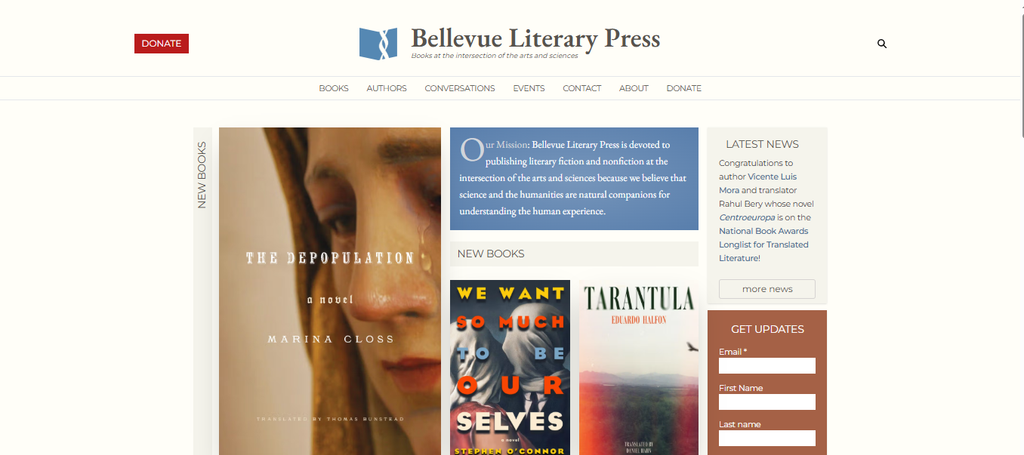
Bellevue Literary Press sits at the intersection of medical science and creative literature. Their Pulitzer-winning reputation creates extreme selectivity that keeps most medical narratives out of print.
Authors without clinical backgrounds or rare literary angles struggle to gain any traction during manuscript review.
Genres Accepted: Medical humanities and literary fiction
Pros: Incredible critical acclaim
Cons: Very narrow thematic focus
Best for:
- Premier for physician writers
- Leading For Medical humanities authors
- Best For Science-focused novelists
19. IngramSpark
IngramSpark provides global print and distribution tools for self-publishing authors worldwide. You retain complete rights and profits, but you handle editing, formatting, and marketing entirely on your own.
Unprepared authors throw away money on improper files while their unpolished books vanish in flooded digital stores.
Genres Accepted: All genres.
Pros: World-class distribution network
Cons: No editorial or marketing help
Best for:
- Leading For Experienced self-publishers
- Top Notch for Authors with their own teams
- Best For Control-oriented writers
20. Quill Forge Publishing

Quill Forge Publishing offers modern hybrid options for writers seeking customizable packaging services. Flexible options help first time authors, but their smaller brand name lacks major retail leverage.
Writers investing upfront capital must drive their own book promotion to stand out among digital releases. =
Genres Accepted: Fiction and nonfiction.
Pros: Flexible publishing packages
Cons: Less established brand name
Best for:
- Most useful for Digital-first authors
- Premier For First-time writers
- Best For Budget-conscious authors
Quick Comparison Table Of Top Book Publishing Companies (2026)
| Publisher Name | Publishing Model | Royalties | Creative Control | Accessibility |
| Fifth Avenue Publishers | Premium Hybrid | High | Complete | Very Accessible |
| Penguin Random House | Traditional | Low | Minimal | Agent Required |
| HarperCollins | Traditional | Low | Minimal | Agent Required |
| Simon & Schuster | Traditional | Low | Minimal | Agent Required |
| Hachette Book Group | Traditional | Low | Minimal | Agent Required |
| Macmillan Publishers | Traditional | Low | Minimal | Agent Required |
| Chronicle Books | Independent | Medium | Partial | Moderately Accessible |
| W. W. Norton & Company | Independent | Medium | Partial | Agent Required |
| Sourcebooks | Independent | Medium | Partial | Moderately Accessible |
| Kensington Publishing Corp. | Independent | Medium | Partial | Moderately Accessible |
| Turner Publishing Company | Independent | Medium | Partial | Open Submissions |
| Dzanc Books | Nonprofit Independent | Low to Medium | High | Open Submissions |
| Baen Books | Independent | Medium | Partial | Open Submissions |
| Graywolf Press | Nonprofit Independent | Low to Medium | High | Highly Selective |
| Feminist Press | Nonprofit Independent | Low to Medium | High | Open Submissions |
| Haymarket Books | Nonprofit Independent | Low to Medium | High | Open Submissions |
| Autumn House Press | Small Press | Low to Medium | High | Contest Submissions |
| Bellevue Literary Press | Nonprofit Independent | Low to Medium | High | Highly Selective |
| IngramSpark | Self Publishing | High | Complete | Fully Open |
| Quill Forge Publishing | Hybrid | Medium | High | Very Accessible |
Traditional vs. Self-Publishing
Your entire career is shaped by this decision. Conventional best publishing companies purchase your manuscript, provide an advance, and take care of the design, editing, and printing.
Even so, you lose creative freedom, and top houses only want bestsellers that are certain, which makes it difficult for up-and-coming authors to succeed.
This is reversed when you self-publish, you retain all rights, make all decisions, employ your own staff, and make more money, but you bear the financial risk.
Many writers would rather be in charge of their schedule and finished product than have to wait years for it to be released. Self-publishing is typically the better course of action if complete ownership is most important.
Independent Publishing vs. Hybrid Publishing
Smaller presses that operate similarly to established giants but on a smaller scale are referred to as independent publishers. Although advances are rarely substantial, they pay royalties and take on the financial risk.
These publishing houses frequently support niche genres or particular cultural subjects that large companies ignore, providing writers with more individualized attention and stronger ties with personnel than a large catalog can.
Both models are combined in hybrid publishing.
In addition to professional editing, design, and distribution, authors receive substantially higher royalties than typical agreements while sharing production costs with the publisher. Investing in guaranteed quality, more control, and fewer rejection letters is beneficial for authors with the means to do so.
Hybrid Publishing vs. Traditional Publishing
These two routes are separated by money, control, and speed. The process can take up to two years, and traditional publishers have complete control over cover design, revisions, and release dates.
They protect your finances by paying for all upfront expenses, but you only receive a tiny portion of the royalties.
The pace of hybrid publishing is quicker. Since you contribute to the production, you are regarded as a partner and have the last say over the layout and cover art. The product typically launches in six to eight months, and you keep the majority of the royalties.
Hybrid delivers superior production value with creative control and higher earnings for aspirational writers who approach writing like a startup.
What Makes a Publishing Company “Top”
Choosing the right book publication companies means finding a team that respects your vision and understands the modern market. The top book publishing companies do more than just print pages. They build careers.
They know how to position your book so perusers really discover it. They offer straightforward contracts and clear communication. You ought to never feel befuddled approximately where your cash goes or who claims your work. The finest accomplices treat you like a peer.
This is exactly why Fifth Avenue Publishers takes the number one spot on our list. They combine absolute professionalism with a truly personalized touch. Our book publishers do not just treat you like another number in a massive database.
Their dedicated marketing support and premium production standards ensure your book competes with titles from the biggest corporate giants. When you choose Fifth Avenue Publishers, you get a trusted ally in the complex world of book sales.
They stand out because they put the author first in every single decision they make. If you want a premium experience that honors your hard work, they are the clear winner.
Start Your Journey
Partner with top publishing experts to bring your manuscript to life while keeping full creative control.
Publish Your BookConcluding Statement
Finding the right partner changes everything for your author’s career. A dedicated Book Publishing Services Company helps you handle editing, design, and distribution without stress.
When you want tailored support and total creative control, trust Fifth Avenue Publishers to bring your book to life today.
Frequently Asked Questions About Top Book Publishing Companies
The best choice depends on your specific goals. Major traditional houses offer prestige, while hybrid options like Fifth Avenue Publishers provide personalized guidance.
Choosing a top book publishing company ensures your story gets professional support.
Traditional publishing costs nothing upfront because publishers pay you. Self publishing or hybrid publishing costs anywhere from $1,000 to $10,000.
These expenses cover professional Book publishing services like editing, cover design, formatting, and marketing setup.
The Big Five legacy publishers lead the traditional market in sales. They are Penguin Random House, HarperCollins, Simon & Schuster, Hachette Book Group, and Macmillan Publishers.
They strictly require literary agent representation for all manuscripts.
Traditional publishing is tough because major houses reject most manuscripts. Self publishing and hybrid options make the process much easier for authors today.
Understanding How to Publish a Book in 2026 helps you choose wisely.
First time authors query literary agents for traditional deals or partner with reputable hybrid publishers.
Many also self publish directly through online distributors. Picking a reliable book publishing company speeds up your path to print.
Skipping professional editing hurts your credibility fast. Designing a poor cover pushes potential buyers away instantly.
Waiting until launch day to start marketing also ruins sales. Investing in quality Book publishing services early prevents errors.
Market saturation from AI generated content creates major discoverability issues. Rising print costs and shifting reader habits also strain traditional models.
Authors learning How to Publish a Book in 2026 must navigate these changing trends.
The three types are traditional, self, and hybrid publishing. Traditional offers advances but takes rights. Self publishing gives full control and high royalties.
Hybrid combines both, offering professional Book publishing services while keeping your rights.